
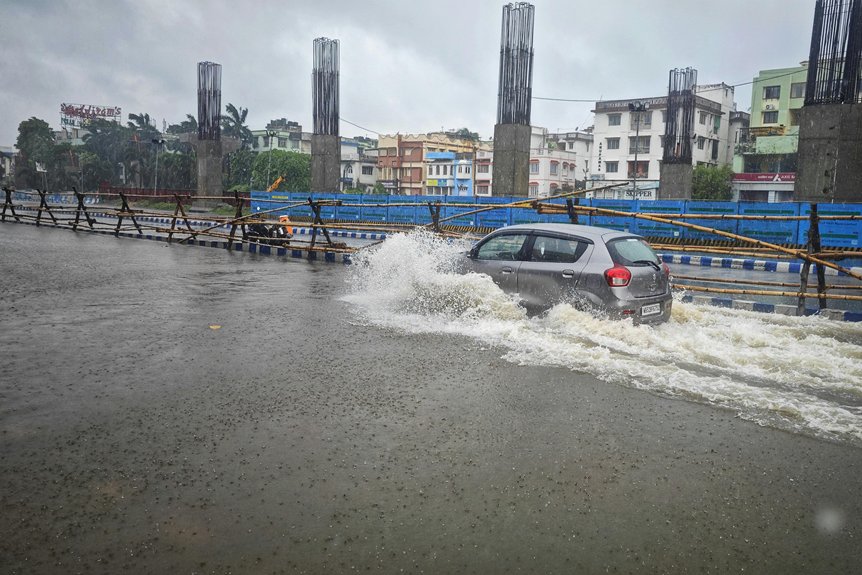
Effective stormwater pond management in Media, PA, is vital for HOA communities to maintain water quality, guarantee regulatory compliance, and prolong infrastructure lifespan. You should regularly assess water quality parameters, inspect sediment accumulation, and control vegetation overgrowth. Following local regulations and working with stormwater management professionals help address issues like erosion and safety hazards. Staying proactive with maintenance and compliance can prevent costly repairs. Continue to explore strategies that keep your ponds functional, compliant, and ecologically balanced.
Why Proper Stormwater Pond Maintenance Matters for Media, PA HOAs
Proper stormwater pond maintenance is essential for HOA communities in Media, PA, because it directly impacts water quality, infrastructure longevity, and regulatory compliance.
Maintaining pond aesthetics ensures the landscape remains visually appealing, preventing overgrowth and sediment buildup that can obscure features.
Clear, well-maintained ponds reduce the risk of safety hazards such as mosquito breeding grounds or hidden debris, enhancing community safety.
Regular inspections and targeted dredging or vegetation control preserve pond function, prevent erosion, and uphold local environmental standards.
Focusing on nutrient management and biological health restores natural lake and pond ecosystems, supporting long-term water clarity and ecological balance.
Prioritizing these maintenance practices supports a safe, attractive, and compliant community environment, safeguarding residents and property values alike.
How to Assess the Current Condition of Your Community’s Stormwater Ponds
To accurately determine the current state of your community’s stormwater ponds, a thorough assessment is necessary.
Begin by evaluating water quality through testing parameters like turbidity, pH, dissolved oxygen, and pollutant levels to identify contamination or nutrient overload.
Inspect sediment accumulation, focusing on areas with reduced water depth, which indicate sediment buildup. Sediment removal may be required if sediment layers hinder pond function.
Conduct visual inspections for algae growth, debris, and erosion.
Document findings meticulously, noting areas needing immediate attention.
This detailed assessment provides a clear understanding of pond health, ensuring targeted management strategies to maintain ideal water quality and sediment control.
Best Practices for Regular Stormwater Pond Upkeep and Landscaping
Regular upkeep and landscaping of stormwater ponds are essential to maintain their functionality and prevent issues such as sediment buildup, vegetation overgrowth, and erosion.
Consistent removal of invasive plants and debris supports the development of diverse wildlife habitats, promoting ecological balance.
Regular water quality testing guarantees pollutant levels remain within acceptable limits, guiding necessary interventions.
Maintaining native vegetation buffers reduces sediment runoff and stabilizes pond banks.
Scheduled inspections identify sediment accumulation and erosion early, allowing targeted dredging or repairs.
Proper upkeep preserves water clarity and quality, supports aquatic life, and ensures continued compliance with environmental standards vital for sustainable stormwater management.
Understanding Local Regulations and Permitting Requirements in Media, PA
Effective stormwater pond management in Media, PA, requires strict adherence to local regulations and permitting requirements that govern construction, maintenance, and water quality standards. These regulations aim to minimize flood risk and protect water quality by setting specific design criteria, sediment control measures, and monitoring protocols.
You must guarantee compliance with the Pennsylvania Department of Environmental Protection (DEP) permits, which detail allowable pollutant levels and stormwater management practices. Failing to meet these standards can lead to regulatory penalties, increased flood risk, and compromised water quality.
Regular inspections and documentation are essential to demonstrate ongoing compliance and prevent potential legal issues.
Collaborating With Professionals: When and How to Hire Stormwater Management Experts
Understanding when to engage stormwater management professionals is essential for guaranteeing compliance with local regulations and optimizing pond performance. You should consider hiring experts during initial design, post-construction inspections, or if problems arise that require technical solutions.
Professionals can assist with stormwater financing, identifying funding sources, and ensuring compliance with permits. Effective community engagement involves transparent communication about the need for expert intervention and project goals.
Recognizing these critical points helps you allocate resources efficiently, maintain regulatory adherence, and improve pond sustainability. Timely collaboration with specialists ensures your HOA’s stormwater management system remains effective and compliant over the long term.
Troubleshooting Common Stormwater Pond Problems and When to Take Action
When stormwater ponds exhibit signs of malfunction or decline in performance, prompt identification and targeted intervention are essential to prevent further issues and maintain compliance with local regulations.
Common problems include sediment accumulation, which reduces pond capacity and water quality, and vegetation overgrowth that hampers water flow. Poor pond safety measures can increase risk for residents and wildlife.
Regular inspections should focus on water clarity, sediment levels, and erosion.
Immediate action—such as sediment removal, vegetation management, or aeration—restores pond function, improves water quality, and guarantees pond safety.
Early troubleshooting preserves system integrity and prevents costly repairs or regulatory penalties.
Conclusion
Maintaining your stormwater ponds is essential to ensure regulatory compliance, prevent environmental issues, and protect your community’s property values in Media, PA. Regular assessments, adherence to local guidelines, and timely professional intervention can help address common problems such as sediment buildup, invasive plant growth, and erosion. Implementing thorough management practices not only safeguards your HOA’s infrastructure but also promotes sustainable stormwater solutions, supporting long-term community resilience and ecological health. For more information on how Clean Flo can improve the health of your lake or pond, visit us online at Clean Flo. You can also check out our video series on our YouTube channel.