
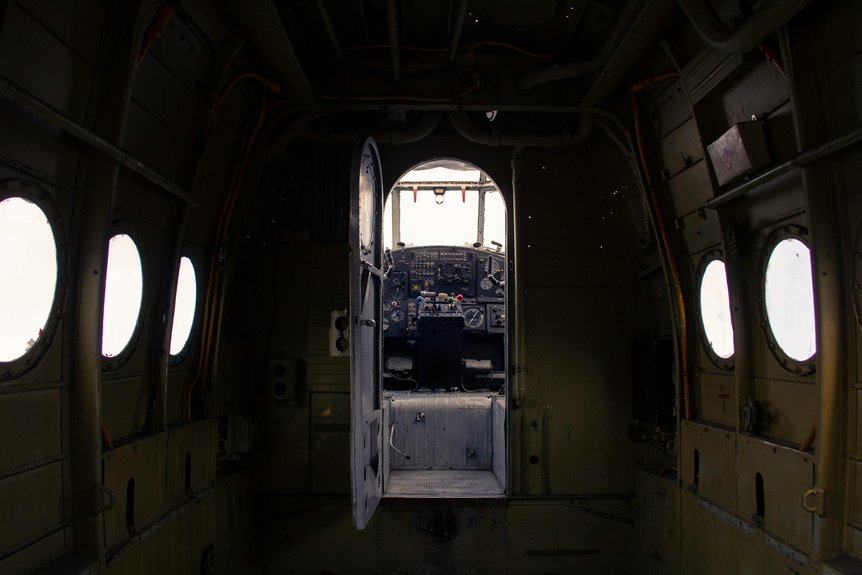
Imagine transforming a standard aircraft cabin into a more comfortable, calming space with the right lighting. RGB and mood lighting solutions are changing how airlines enhance passenger experience and well-being during flights. As technology advances, these lighting systems become more sophisticated, offering tailored atmospheres for different phases of travel. Understanding how they work and their benefits could be key to elevating your next flight experience—if you know where to look.
Why RGB and Mood Lighting Matter in Aircraft Cabins
RGB and mood lighting considerably enhance the passenger experience by creating a more comfortable and relaxing environment. They influence the cabin ambiance, making it feel more inviting and less sterile.
With improved lighting aesthetics, you can set the mood for different phases of the flight, from energizing during boarding to calming during rest periods. This customization helps reduce travel stress and fatigue, keeping passengers more comfortable and engaged.
Well-designed lighting fosters a positive atmosphere, making your flight not just functional but also enjoyable. Additionally, LED Cabin Lighting offers energy-efficient, versatile options that can be tailored to various mood settings, further elevating the passenger experience. Ultimately, it transforms a standard journey into a more pleasant and memorable experience.
The Main Types of RGB and Mood Lighting Technologies
Among the various lighting technologies used in aircraft cabins, LED-based systems are the most prevalent due to their versatility, energy efficiency, and ability to produce a wide spectrum of colors.
You’ll find LED strips used for direct lighting effects, creating dynamic mood scenes, while fiber optics offer elegant, pinpoint light sources for accent and decorative purposes. Both technologies can be integrated seamlessly into cabin design, providing customizable ambiance.
LED strips allow flexible installation along surfaces, whereas fiber optics deliver precise, subtle lighting. Together, they form the main types of RGB and mood lighting technologies, enabling airlines to craft immersive, adaptable environments that enhance passenger comfort and experience.
How to Design Effective Cabin Lighting Schemes
Designing effective cabin lighting schemes requires a clear understanding of both passenger needs and the overall ambiance you want to create. Use color psychology to select lighting that influences mood and comfort, such as soft blues for relaxation or warm amber for coziness.
Incorporate energy efficiency by choosing LED systems and smart controls that adapt to different phases of the flight, reducing power consumption. Balance functional illumination with mood lighting to enhance passenger experience without wasting energy.
Properly designed schemes support well-being, improve perception of space, and contribute to operational efficiency, ensuring your cabin’s lighting is both inviting and sustainable.
Benefits of Mood Lighting: Enhancing Passenger Comfort and Well-being
Mood lighting plays a crucial role in shaping the overall passenger experience by directly influencing comfort and well-being. When you use dynamic lighting, you create a calming environment that reduces stress and fatigue, boosting passenger satisfaction.
It also enhances interior aesthetics, making the cabin feel more modern and inviting. By adjusting colors and intensity, you can simulate natural light cycles, helping passengers feel more relaxed and refreshed.
This thoughtful lighting design not only improves comfort but also demonstrates your focus on passenger needs, ultimately leading to a more positive flying experience. Well-implemented mood lighting makes your aircraft stand out for its comfort and style.
Installation and Regulatory Considerations for Aircraft Lighting
Installing RGB and mood lighting systems in aircraft cabins requires careful adherence to strict regulatory standards and certification procedures. You must guarantee the lighting components meet aviation safety and electrical standards, which can involve extensive testing and documentation.
Installation challenges include limited space, compatibility with existing systems, and maintaining structural integrity. You need to work closely with regulatory agencies and certification bodies to validate that your setup complies with industry regulations.
Additionally, addressing electromagnetic interference and ensuring fail-safe operation are critical to passing certification and avoiding delays. Proper planning and adherence to these considerations are essential for a successful, compliant installation.
Controlling Cabin Lighting: Tips for Customization and Automation
Once your RGB and mood lighting systems are properly installed and certified, the next step is to gain full control over their operation. You can customize settings by adjusting color temperature to create the desired ambiance, from warm to cool tones.
Use lighting zones to tailor brightness and color for different areas of the cabin, enhancing passenger comfort and experience.
Automation features allow you to preset lighting scenes for various phases of flight or passenger preferences, ensuring seamless shifts.
Regularly review and update your control protocols to maintain flexibility, ensuring your lighting system responds intuitively and efficiently to evolving needs.
Emerging Trends in RGB Lighting for Aircraft
As advancements in LED technology continue to accelerate, RGB lighting systems for aircraft are becoming more sophisticated and adaptable than ever before. You’ll notice new trends that enhance in-flight entertainment by syncing lighting with audio and video content, creating immersive experiences.
Additionally, customizable RGB lighting transforms cabin decor, allowing airlines to tailor ambiance for different routes or themes. Dynamic lighting effects can change throughout the flight, improving passenger comfort and mood.
These innovations not only elevate the aesthetic appeal but also contribute to a more engaging and personalized flying experience, making aircraft cabins feel more modern, inviting, and responsive to passenger needs.
Conclusion
By incorporating RGB and mood lighting in aircraft cabins, you can markedly boost passenger comfort and overall experience. These innovative lighting solutions allow you to create dynamic, personalized environments that reduce stress and enhance well-being. As technology advances, embracing automation and customization options will help differentiate your airline and meet evolving passenger expectations. To learn more, contact DPI Labs by visiting us online at DPI Labs. Stay ahead by exploring the latest trends, and you’ll transform your cabin into a more inviting, soothing space for every journey.