
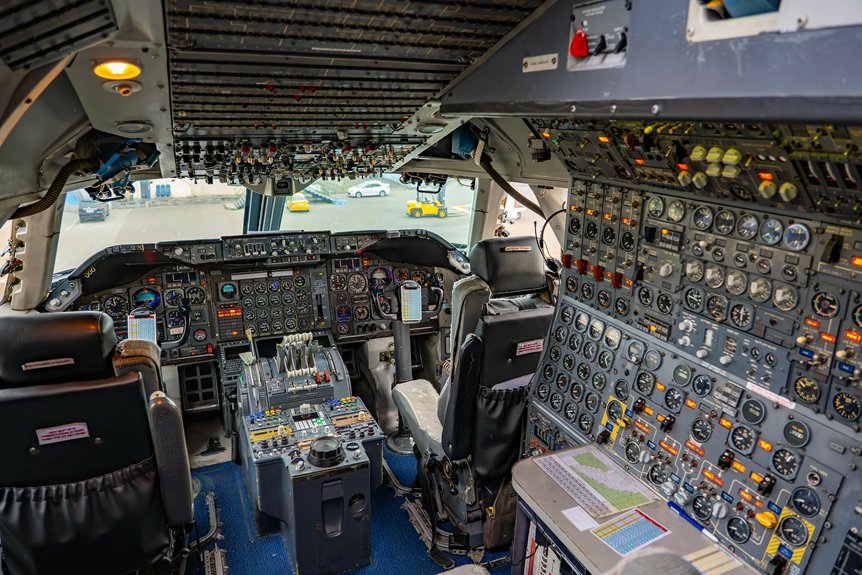
Retrofitting your older aircraft with LED cabin lighting systems can substantially improve efficiency and passenger experience, but it’s not a simple upgrade. You need to evaluate your aircraft’s current electrical setup, compatibility issues, and safety standards. Making the right choices requires careful planning and expert input. Understanding the process can help you avoid costly mistakes and facilitate a smooth shift—yet, knowing where to start can be challenging without proper guidance.
Why Retrofitting Older Aircraft With LED Lighting Is a Smart Move
Retrofitting older aircraft with LED lighting is a smart move because it substantially enhances energy efficiency and reduces maintenance costs. LED technology consumes less power, meaning your aircraft uses less fuel and lowers operating expenses.
Additionally, LEDs have a longer lifespan, decreasing the frequency of replacements and simplifying aircraft maintenance routines. This upgrade not only boosts operational efficiency but also minimizes downtime and labor costs associated with traditional lighting systems.
How to Check if Your Aircraft Can Handle LED Retrofits
Before proceeding with LED retrofits, it’s important to determine whether your aircraft’s existing systems can support the upgrade. Start by checking battery compatibility to ensure your power sources can handle the new lighting’s energy demands.
Next, evaluate your electrical system capacity; older aircraft may have limited capacity, risking overloads or system failures.
Consult your aircraft’s maintenance manual or a qualified technician to assess whether your current wiring, circuit breakers, and power supplies can support LED lighting.
Conducting these checks early helps prevent costly modifications later and guarantees a smooth, safe retrofit process.
Benefits of Upgrading: Passenger Comfort and Cost Savings
Upgrading to LED lighting considerably enhances passenger comfort by providing brighter, more natural illumination that reduces eye strain and creates a more inviting cabin environment. This improvement positively impacts cabin ambiance, making the space feel more modern and relaxing. Moreover, the advanced LED luminaires can be customized with multi-color and full-color options, allowing for dynamic lighting that can adapt to different moods or times of day. Additionally, LEDs are highly energy-efficient, leading to significant cost savings on power consumption and maintenance. Over time, these savings can offset the initial retrofit expense. Passengers notice the enhanced atmosphere, which improves overall satisfaction. By upgrading, you benefit from improved passenger experience and operational efficiencies, making your aircraft more attractive and cost-effective to operate in today’s competitive aviation industry.
Common Challenges and How to Overcome Them in LED Retrofits
While LED upgrades offer significant benefits, implementing these changes can present several challenges. Thermal management is critical; LEDs generate heat that must be properly dissipated to prevent damage and ensure longevity. Without effective cooling systems, components can overheat, reducing lifespan and performance.
Compatibility issues also arise, as older aircraft wiring and control systems may not seamlessly integrate with new LED modules. To overcome these hurdles, conduct thorough assessments of existing systems, select LED products designed for aviation use, and collaborate with experienced retrofit specialists.
Proper planning and testing guarantee a smooth transition, minimizing disruptions and maximizing the benefits of your LED upgrade.
A Step-by-Step Guide to Planning, Installing, and Maintaining LED Cabin Lighting
Planning, installing, and maintaining LED cabin lighting requires a clear, structured approach to guarantee a successful retrofit. Begin by evaluating your aircraft’s current lighting setup and set goals for lighting efficiency and passenger comfort.
Focus on design integration to ensure the new system complements the cabin’s aesthetics and functionality. Develop a detailed plan covering power requirements, wiring, and installation steps.
During installation, prioritize safety and adherence to aviation standards. Once in operation, establish a maintenance routine to monitor performance and address issues promptly.
This approach ensures your LED cabin lighting delivers maximum efficiency, longevity, and seamless integration, enhancing the passenger experience.
Conclusion
Retrofitting your older aircraft with LED cabin lighting is a smart move that boosts efficiency, enhances passenger comfort, and reduces costs. By carefully planning, evaluating compatibility, and working with experts, you can guarantee a smooth upgrade. Embrace this modern change to create a more inviting cabin environment while saving on maintenance and energy. It’s a valuable investment that keeps your fleet up-to-date and competitive in today’s aviation industry. To learn more, contact DPI Labs by visiting us online at DPI Labs