
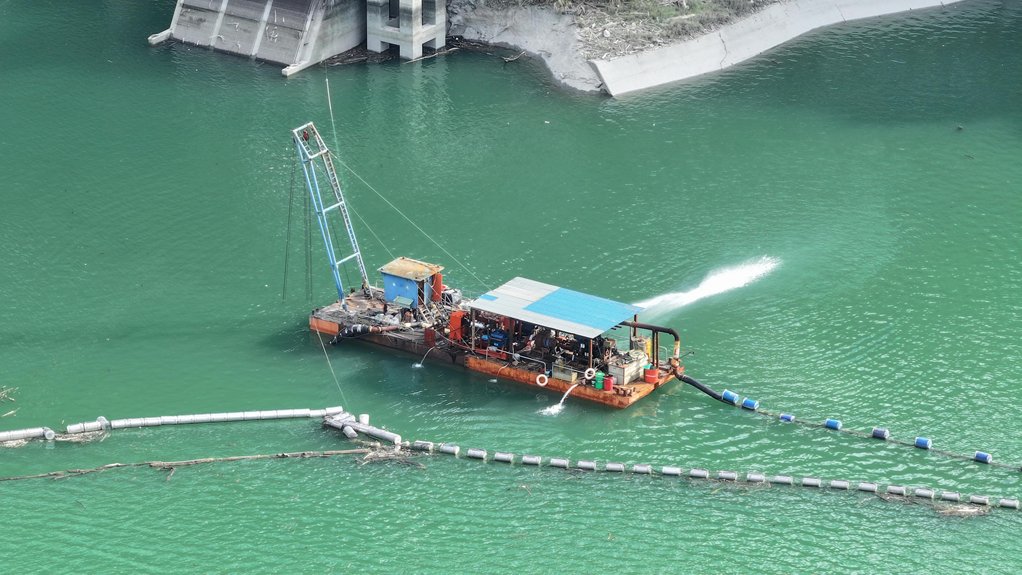
Dredging and sediment removal at Big Bass Lake are essential for maintaining water quality, ecological health, and recreation. The process involves specialized equipment to precisely extract sediments built up from erosion, runoff, and land development. This improves water clarity, supports aquatic life, and stabilizes shorelines. Effective planning, environmental safeguards, and community support guarantee long-term sustainability. If you continue exploring, you’ll discover how these efforts protect the lake for future generations.
Why Dredging Is Essential for Maintaining Big Bass Lake’s Health
Dredging is crucial for maintaining Big Bass Lake’s ecological health because it effectively removes accumulated sediments that can impair water quality and disrupt aquatic habitats.
Sediment buildup smothers aquatic vegetation, reducing habitat complexity and disrupting natural growth cycles. Additionally, sediment accumulation hampers water aeration by decreasing oxygen exchange, which is essential for aquatic life.
Removing sediments through dredging restores water clarity, promotes healthy aquatic vegetation, and enhances water aeration. This process ensures a balanced ecosystem, supporting diverse aquatic species and maintaining the lake’s overall health and stability.
Regular dredging prevents long-term sedimentation issues, safeguarding the lake’s ecological integrity. Furthermore, addressing sedimentation helps control nutrient recycling, which can otherwise perpetuate nutrient overloads and algae blooms.
How Sediment Builds Up and Affects Water Quality
Sediment gradually accumulates in Big Bass Lake due to natural processes like erosion, runoff, and human activities such as construction and land development nearby.
The sediment composition varies, often containing organic matter, minerals, and pollutants, which directly influence water chemistry.
As sediment builds up, it can introduce nutrients and contaminants that alter pH levels, oxygen content, and overall water quality.
This degradation hampers aquatic life and reduces clarity, making the lake less suitable for recreation.
Understanding how sediment impacts water chemistry helps inform effective management strategies to maintain ecological balance and improve water quality.
The Dredging Methods Used at Big Bass Lake
To effectively restore water quality and manage sediment accumulation, Big Bass Lake employs targeted dredging techniques designed for efficiency and environmental safety.
We utilize specialized dredging equipment, such as cutter-head and suction dredgers, calibrated based on sediment analysis to optimize removal. Sediment analysis guides the choice of equipment and dredging depths, ensuring minimal disruption to aquatic habitats.
These methods allow precise extraction of accumulated sediments from specific lake areas, reducing overall disturbance. The process emphasizes safety protocols and environmental considerations, ensuring sediment removal is effective without compromising water quality or aquatic life.
Benefits of Sediment Removal for Aquatic Life and Recreation
Removing accumulated sediments from Big Bass Lake directly enhances aquatic habitats by restoring natural water flow and increasing oxygen levels, essential for aquatic life. Improved oxygenation supports healthier aquatic vegetation, which provides essential cover and food sources for fish and invertebrates.
Sediment removal also prevents habitat smothering, maintaining diverse wildlife habitats and promoting biodiversity. For recreation, clearer water and stable lake bottoms enhance fishing, boating, and swimming experiences.
These benefits collectively sustain ecological balance and recreational value, making sediment removal a critical intervention for the lake’s long-term health and usability. Maintaining ideal conditions supports both aquatic ecosystems and community enjoyment.
How the HOA Plans and Executes the Dredging Project
The HOA approaches the dredging project with a thorough planning process that emphasizes careful assessment, coordination, and execution. They review the historical context of sediment accumulation and analyze sediment depth data to determine scope and methods.
Regulatory approvals are prioritized, guaranteeing compliance with federal, state, and local agencies, including permits for environmental and safety standards. The planning phase involves detailed project timelines, contractor selection, and resource allocation.
This structured approach minimizes disruptions and guarantees adherence to legal requirements, establishing a clear framework for successful project execution. By integrating historical insights and regulatory considerations, the HOA guarantees a technically sound and compliant dredging process.
Environmental Considerations and Sustainability in Dredging
Environmental considerations and sustainability are integral to the dredging process, guaranteeing minimal ecological impact while maintaining water quality and habitat health.
You must evaluate sediment removal methods to prevent contaminant release, which could compromise water quality and disrupt ecosystem health.
Using precise sediment characterization and employing environmentally sensitive techniques minimizes disturbance to aquatic habitats.
Incorporating erosion controls and sediment containment safeguards surrounding ecosystems.
Sustainable practices also involve selecting equipment and schedules that reduce energy consumption and emissions.
How Residents and Visitors Will Notice the Improvements
Residents and visitors will immediately notice clearer, more navigable water conditions as sediment levels decrease and aquatic habitats are restored.
Improvements in water quality become evident through enhanced clarity and reduced turbidity, directly linked to sediment removal. Ongoing sediment analysis guarantees that contaminant levels are minimized, supporting healthier ecosystems.
These changes lead to more stable aquatic environments, benefiting recreational activities and overall lake health.
Visible enhancements, such as clearer water and improved shoreline stability, reflect the technical progress of sediment management efforts.
Consequently, the lake’s ecosystem and visual appeal are markedly enhanced, directly impacting user experience and ecological sustainability.
Cost, Funding, and Community Support for Dredging Efforts
Implementing sediment removal at Big Bass Lake involves careful consideration of costs, funding sources, and community involvement. You’ll need to evaluate project budgets, which can be substantial, and identify funding options like grant opportunities specific to environmental restoration.
Community fundraising plays an essential role, enabling residents to contribute directly and demonstrate local support. Securing grants from state or federal agencies can offset expenses, but require detailed applications and compliance with guidelines.
Engaging the community early fosters shared responsibility and transparency, increasing the likelihood of successful funding acquisition. Ultimately, a combination of grants and community efforts guarantees financial feasibility and broad-based support for the dredging project.
Long-Term Maintenance Strategies to Keep Big Bass Lake Clear
Maintaining the clarity of Big Bass Lake over the long term requires a thorough and proactive approach to sediment management. Historically, sediment accumulation has challenged water quality, emphasizing the need for strategic intervention.
Adhering to local regulations guarantees compliance and guides sustainable practices, such as periodic dredging and sediment monitoring.
Implementing sedimentation basins and buffer zones can limit future sediment inflow, while routine assessments help identify early signs of sediment buildup.
A combination of regulatory adherence and adaptive management strategies ensures ongoing maintenance effectiveness, preserving water quality and ecosystem health.
This approach minimizes environmental impact and aligns with community and regulatory expectations for long-term lake preservation.
How Dredging Protects the Future of Big Bass Lake for Generations
Dredging plays a critical role in safeguarding the ecological and recreational future of Big Bass Lake for subsequent generations. By removing accumulated sediment, dredging preserves the lake’s historical significance as an essential local resource.
This process prevents excessive sediment buildup that can disrupt water quality and aquatic habitats. Maintaining ideal depth supports diverse local wildlife, including fish and bird species, ensuring biodiversity persists.
Additionally, dredging enhances shoreline stability and prevents erosion, which protects the lake’s ecological integrity.
Ultimately, proactive sediment removal sustains Big Bass Lake’s environmental health, ensuring it remains a valuable natural asset for future generations to enjoy and study.
Conclusion
Effective dredging at Big Bass Lake is essential for maintaining water quality, supporting healthy aquatic ecosystems, and ensuring the lake remains a vibrant recreational resource. By removing accumulated sediment, the HOA reduces pollution, improves water clarity, and promotes the long-term health of the lake. Ongoing maintenance and community support are key to sustained success. For more information on how Clean Flo can improve the health of your lake or pond, visit us online at Clean Flo. You can also check out our video series on our YouTube channel. Implementing these targeted, technical strategies helps ensure Big Bass Lake remains a valuable natural asset for future generations, balancing ecological integrity with recreational enjoyment.