
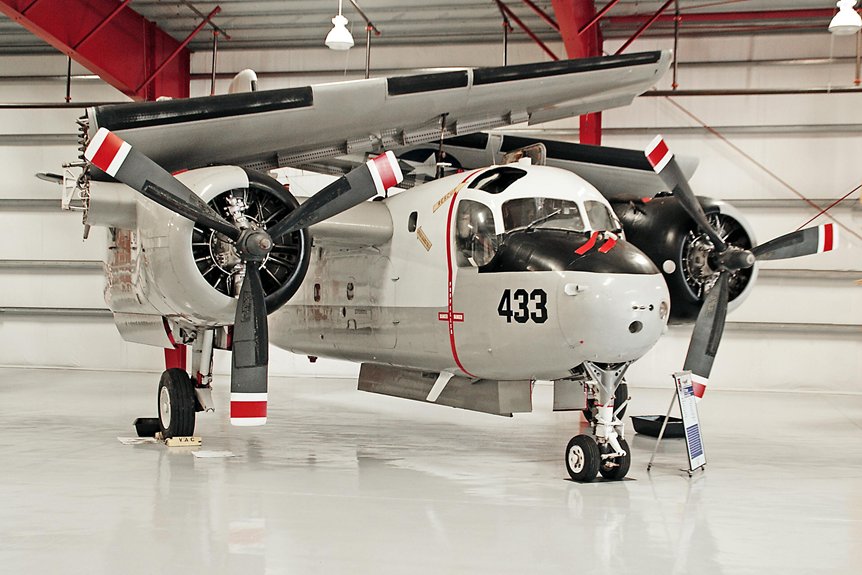
When considering your aircraft’s interior update or overhaul, it’s important to understand the key differences between refurbishment and full restoration. Each option offers distinct benefits, costs, and timelines that can markedly impact your aircraft’s value and future use. Making the right choice depends on your goals, budget, and the condition of your aircraft, but knowing what each entails is essential before moving forward. Let’s explore what sets these approaches apart.
Refurbishment vs. Restoration: What’s the Difference for Your Aircraft?
When deciding between aircraft interior refurbishment and full restoration, it’s essential to understand the key differences. Refurbishment focuses on updating your aircraft’s interior with luxury upgrades, enhancing comfort, style, and modern features. It’s a cost-effective way to refresh the cabin without altering the structure. Full restoration, however, involves thorough repairs, including structural repairs, and may return the aircraft to near-original condition. Restoration is ideal if your aircraft needs significant repairs or if you want to preserve its historical value. Additionally, advanced cabin management systems can be integrated during refurbishment to modernize control and entertainment options, further enhancing your aircraft’s appeal. Knowing these distinctions helps you choose the best option to meet your goals, whether prioritizing luxury upgrades or structural integrity.
How Much Does Aircraft Refurbishment Cost Compared to Restoration?
Aircraft refurbishment generally costs considerably less than a full restoration, making it a more budget-friendly option for updating your cabin.
In a clear cost comparison, refurbishment expenses mainly cover cosmetic upgrades, interior refreshes, and minor repairs. The expense breakdown shows lower labor and material costs, often ranging from a few thousand to several hundred thousand dollars, depending on scope.
Restoration, however, involves extensive structural work, complete overhauls, and quality craftsmanship, markedly increasing costs—sometimes reaching millions.
If budget constraints are a concern, refurbishment offers a cost-effective way to modernize your aircraft without the hefty investment of a full restoration.
Should I Choose Refurbishment or Full Restoration for My Aircraft?
Deciding between refurbishment and full restoration depends on your specific goals, budget, and the aircraft’s condition.
If your main focus is updating the aircraft exterior and avionics upgrades while maintaining its core structure, refurbishment is often sufficient and cost-effective.
However, if your aircraft requires extensive structural repairs, interior overhaul, or modern technology integration, full restoration might be necessary.
Consider whether you want to preserve the aircraft’s original state or bring it to like-new condition.
Your decision should align with your long-term plans, budget constraints, and the level of modernization you desire.
What Are the Steps and Timeline for Aircraft Interior Refurbishment?
Choosing between refurbishment and full restoration often hinges on your desired outcome for the aircraft’s appearance and functionality.
For interior refurbishment, the process begins with planning the cabin design, considering your style and comfort goals. Next, material selection is key—selecting fabrics, leathers, and finishes that match your vision.
The timeline typically spans a few weeks to a couple of months, depending on scope. The steps include removing outdated materials, updating the cabin design, installing new surfaces, and finishing with quality checks.
This streamlined approach minimizes downtime while effectively revitalizing your aircraft’s interior to meet your preferences and standards.
What Does a Full Aircraft Restoration Involve?
A full aircraft restoration is an extensive process that involves more than just cosmetic updates; it aims to return the plane to its original or a like-new condition. You’ll start with an engine overhaul to guarantee maximum performance and safety.
Then, a thorough inspection leads to structural repairs and system upgrades. Cabin reconfiguration may be necessary to modernize the layout and enhance passenger experience.
The restoration also includes repainting, interior refurbishment, and replacing outdated components. This all-encompassing approach ensures your aircraft meets current standards, extends its lifespan, and restores its value.
It’s a detailed process that transforms a worn aircraft into a reliable, virtually new machine.
How Do Refurbishment and Restoration Affect Aircraft Value?
Refurbishment and restoration markedly influence an aircraft’s market value by enhancing its appearance, functionality, and overall condition. Implementing luxury upgrades can attract premium buyers and increase resale value, while addressing wear and outdated features improves market appeal.
Restoration typically involves thorough updates that preserve the aircraft’s integrity, often boosting its worth more substantially. However, consider that extensive work can also raise maintenance costs, which might offset some value gains.
Ultimately, balancing high-quality upgrades with cost-effective restoration ensures your aircraft maintains or increases its market value, making it a smart investment for future resale or continued use.
How to Find the Right Service Provider for Your Aircraft Project
Selecting the right service provider can considerably impact the success of your aircraft project, whether you’re aiming for a simple refurb or a full restoration. Look for providers with strong aviation safety records, guaranteeing they follow strict industry standards.
Verify their experience with projects similar to yours to avoid surprises. Ask about service warranties to confirm their confidence in their work and your protection against future issues.
Good communication is essential; choose a partner who keeps you informed and transparent throughout the process. Taking these steps helps assure your aircraft’s safety, quality, and long-term value, giving you peace of mind during your refurbishment or restoration journey.
Which Approach Fits Your Aircraft’s Needs and Your Budget?
Choosing between a full aircraft restoration and a simpler refurbishment depends on your aircraft’s condition, operational needs, and your budget constraints.
If you seek luxury enhancements and want to restore your aircraft to its original splendor, a full restoration may be the best fit, offering extensive upgrades and safety improvements.
Conversely, if your goal is to modernize quickly and cost-effectively, a refurbishment can update interior aesthetics and incorporate essential safety upgrades without extensive overhaul.
Assess your priorities carefully—whether maintaining value, enhancing comfort, or managing expenses—to determine which approach aligns best with your aircraft’s needs and your financial plan.
Tips for Planning Your Aircraft Refurbishment or Restoration Project
Planning your aircraft refurbishment or restoration requires careful preparation to guarantee the project runs smoothly and meets your expectations. Start by defining your goals for interior design, considering style, comfort, and functionality.
Focus on material selection early, choosing durable, lightweight options that meet safety standards. Create a detailed budget and timeline to stay on track.
Consult with experienced professionals to ensure your design choices align with your aircraft’s specifications and maintenance requirements. Regularly review progress and adjust plans as needed.
Conclusion
Choosing between refurbishment and full restoration depends on your goals, budget, and aircraft condition. Refurbishment offers a quick, cost-effective way to modernize your cabin with updated features, while restoration provides a thorough overhaul to restore your aircraft to near-original condition. Assess your needs carefully, and choose a trusted provider to guarantee a successful project. To learn more, contact DPI Labs by visiting us online at DPI Labs. Either way, with proper planning, you’ll enhance your aircraft’s value and comfort for years to come.