
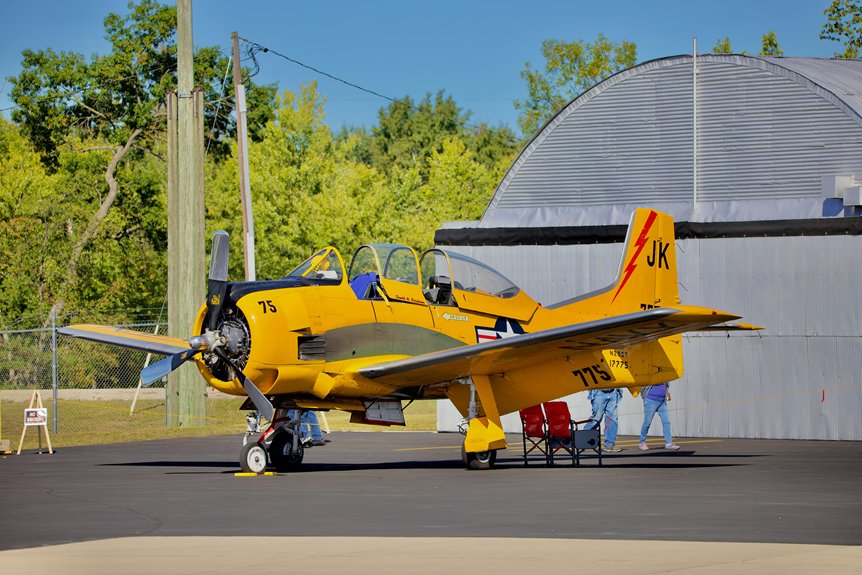
Restoring vintage aircraft offers a unique way to preserve aviation history and craftsmanship, but it’s a detailed process that requires careful planning and skill. From evaluating their current condition to sourcing authentic parts, each step influences the aircraft’s eventual appearance and safety. If you’re considering taking on such a project, understanding the key factors involved can make all the difference in achieving a successful restoration—and keeping the spirit of early aviation alive.
Why Restoring Vintage Aircraft Keeps Aviation History Alive
Restoring vintage aircraft is essential because it preserves the tangible links to our aviation past. When you work on repainting the aircraft, applying authentic aircraft paint, you maintain its original appearance, honoring the aircraft’s history.
Inside the vintage cockpit, carefully restoring instruments and controls keeps the experience true to the era, allowing future generations to connect with aviation’s early days. These restorations aren’t just about aesthetics—they safeguard stories, craftsmanship, and technological milestones.
How to Assess Your Aircraft’s Condition Before Restoration
Before beginning any restoration project, you need to thoroughly assess your aircraft’s current condition to identify what repairs and conservation efforts are necessary. Start with a detailed inspection of the aircraft paint; look for corrosion, peeling, or fading that may need touch-ups or repainting. Check the engine for signs of wear or damage that could require an overhaul. Examine structural components for rust or fatigue, and review the aircraft’s documentation for maintenance history. This extensive assessment helps you prioritize repairs, estimate costs, and determine whether specific parts need replacement or refurbishment, ensuring your restoration is efficient and effective. Additionally, evaluating the aircraft’s aesthetic systems such as cabin lighting and entertainment can help determine if upgrades are necessary to meet modern standards.
Setting Goals, Budget, and Timeline for Your Restoration Project
After thoroughly evaluating your aircraft’s condition, it’s time to define clear goals for your restoration project. Be aware of common restoration myths that can lead to unrealistic expectations, especially in vintage aviation.
Set specific, achievable objectives—whether restoring to original specifications or creating a flying museum piece. Establish a realistic budget considering parts, labor, and unforeseen expenses.
Create a timeline that balances progress with quality, avoiding rushed work. Clear goals, a solid budget, and a well-planned timeline will keep you focused and prevent costly delays.
Choosing the Best Techniques and Materials for Aircraft Restoration
Choosing the right techniques and materials is essential to ensuring your aircraft restoration is durable, authentic, and safe. Advanced paint techniques, like multi-layer applications and proper surface preparation, help achieve a professional finish that withstands weather and time.
Equally important are corrosion prevention methods, such as using corrosion-resistant primers and sealants, which protect metal components from rust and deterioration.
Select high-quality materials that match the original specifications or improve upon them without compromising authenticity. By carefully combining these techniques and materials, you’ll preserve your aircraft’s integrity and appearance, ensuring it remains safe and true to its vintage character for years to come.
Where to Find Authentic Parts for Your Vintage Plane
Finding authentic parts for your vintage plane can be challenging, but sourcing the right components is key to maintaining its historical accuracy and safety. Start by exploring specialized restoration tools and contacting vintage aircraft parts suppliers or museums with spare components.
Look for original or factory-reproduced parts that match the aircraft’s era. For cosmetic restoration, vintage paint and authentic decals are essential; these can often be found through dedicated restoration shops or online marketplaces.
Networking with aviation restoration communities can also lead to valuable leads. Ensuring parts are genuine preserves the aircraft’s integrity and value, making your restoration both authentic and safe.
Step-By-Step: the Restoration Process From Disassembly to Reassembly
Beginning a vintage aircraft restoration requires careful planning and a systematic approach, starting with disassembly. Use the right restoration tools to carefully remove panels, engines, and interior components, documenting each step for reassembly.
As you strip the aircraft, assess the condition of the vintage paint and decide if it needs preservation or replacement. During disassembly, handle parts with care to avoid damage.
Once cleaned and inspected, you’ll move to repairs, repainting with vintage paint if appropriate. This process guarantees each component is ready for reassembly, maintaining authenticity and structural integrity.
Patience and precision are key to successfully bringing your classic aircraft back to life.
How to Ensure Safety and Meet Regulations During Restoration
To guarantee safety and meet regulations during aircraft restoration, you must prioritize understanding the relevant standards and guidelines from the outset. This includes adhering to aviation authority requirements for structural integrity, fire safety, and electrical systems.
When working on interior upholstery, ensure materials meet fire-resistant standards and are properly installed.
Accurate paint matching isn’t just aesthetic — it’s essential for corrosion protection and compliance.
Document every step, from inspections to repairs, to demonstrate compliance.
Regularly consult updated regulations and collaborate with certified inspectors.
Staying informed and meticulous minimizes risks, ensures safety, and keeps your restoration project legally compliant.
Preserving Historical Accuracy and Aesthetic Beauty in Your Aircraft
Maintaining safety standards during aircraft restoration lays the foundation for preserving the aircraft’s original character and visual appeal. To guarantee aesthetic preservation, carefully select authentic materials and paint schemes that match the aircraft’s era.
Focus on historical accuracy by researching original specifications, insignias, and markings, avoiding modern modifications that could detract from its vintage charm. Pay close attention to details like fabric, decals, and finishes, as these elements define the aircraft’s authentic look.
Displaying or Flying Your Restored Aircraft: Tips and Regulations
When displaying or flying your restored aircraft, understanding and adhering to relevant regulations is essential to guarantee safety and legal compliance. Proper display techniques ensure your aircraft is showcased respectfully and safely, whether at shows or museums.
When flying, always follow flying regulations to avoid penalties and ensure safe operation. Check airspace restrictions, necessary permits, and pilot certifications before taking off.
Keep your aircraft well-maintained and inspected, and stay updated on any regulatory changes. By respecting these guidelines, you’ll preserve your aircraft’s integrity, contribute to aviation safety, and enjoy your vintage aircraft responsibly.
Caring for Your Vintage Aircraft After Restoration
Caring for your vintage aircraft after restoration requires ongoing attention to detail and diligent maintenance. Regular maintenance scheduling guarantees all systems stay in top condition, preventing potential issues.
Keep detailed records of inspections, repairs, and part replacements to track your aircraft’s health.
Additionally, pilot training is essential; flying a restored vintage aircraft demands skill, precision, and familiarity with its unique handling characteristics. Stay current with safety procedures and operational guidelines.
Conclusion
Restoring a vintage aircraft is a rewarding journey that preserves history and connects you to the pioneering spirit of aviation. By carefully evaluating, planning, and using authentic materials, you guarantee safety and historical accuracy. Keep your passion alive by maintaining your restored aircraft properly, whether displaying or flying it. Your dedication not only revives a piece of aviation history but also inspires future generations to appreciate the craftsmanship and adventure of early flight. To learn more, contact DPI Labs by visiting us online at DPI Labs.