
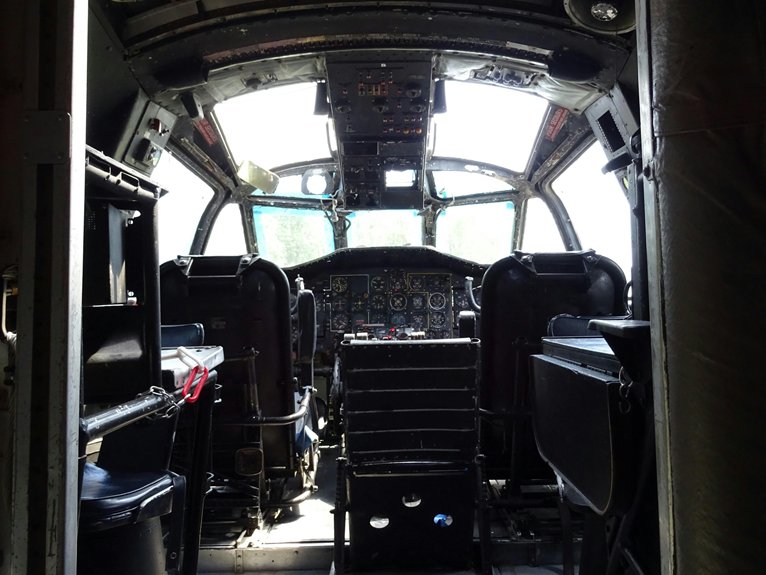
If you own or operate a legacy aircraft, upgrading to an advanced cabin management system can greatly improve passenger experience and operational efficiency. But before making any decisions, it’s essential to understand whether your aircraft can support modern technology and what benefits you’ll gain. The process involves careful planning and expert installation, raising questions about costs and long-term value that are worth exploring to ensure a successful upgrade.
Should You Upgrade Your Legacy Aircraft? Key Signs and Benefits
Deciding whether to upgrade your legacy aircraft often depends on recognizing certain key signs. If your aircraft’s luxury amenities feel outdated or no longer meet your standards, it’s a clear indicator.
Similarly, if cabin aesthetics have become dull or less appealing, upgrading can restore a fresh, modern look. An aging cabin might lack the comfort and style expected in today’s private aviation.
Upgrading enhances passenger experience, boosts aircraft value, and aligns your jet with current luxury standards. Additionally, implementing advanced cabin management systems can significantly improve operational efficiency and control. If these signs resonate, it’s time to consider an upgrade to assure your aircraft remains a symbol of sophistication and comfort.
How to Check If Your Aircraft Can Support a Cabin Management System
Before investing in a cabin management system, it’s essential to determine whether your aircraft’s existing infrastructure can support it. Start by checking system compatibility with your aircraft’s current electrical and data systems.
Verify your aircraft has reliable wireless connectivity to support streaming media and user interfaces.
Review the aircraft’s power supply and data ports to confirm they meet the system’s requirements.
Consult your aircraft’s manufacturer or a qualified installer to assess if upgrades are needed.
Performing these checks ensures your aircraft can seamlessly integrate a cabin management system, providing a smooth upgrade without unexpected costs or delays.
What Features Matter Most When Choosing a Cabin System for Your Aircraft
When choosing a cabin management system for your aircraft, identifying the features that matter most guarantees you get the right fit for your needs.
In flight entertainment is key, so prioritize systems that offer a wide selection of movies, music, and apps. Connectivity options are equally important, allowing seamless internet access and device integration.
Consider how easy it’s to control the system, whether via touchscreens, remote, or mobile devices. Reliability, user interface, and future upgrade potential also matter.
Focus on features that enhance passenger comfort and convenience while aligning with your operational requirements to ensure an upgraded, efficient, and enjoyable cabin experience.
How to Plan Your Aircraft Cabin System Upgrade Step by Step
Planning your aircraft cabin system upgrade involves a clear, step-by-step approach to guarantee the final setup meets your expectations and operational needs.
Begin by evaluating your current system and identifying gaps in wireless connectivity and interior lighting controls.
Set clear goals for improvements, such as enhanced user experience or automation.
Next, create a detailed budget and timeline, consulting with experts to select compatible hardware and software.
Prioritize seamless integration, ensuring your new cabin management system supports reliable wireless connectivity and customizable interior lighting.
Regularly review progress, adjusting plans as needed, and confirm your choices align with safety standards and future scalability.
Installing and Integrating Your New Cabin Management System Safely
Installing and integrating your new cabin management system requires meticulous attention to safety protocols to guarantee a secure upgrade process. Begin with careful cabling installation, ensuring all connections are correctly labeled and secured to prevent faults.
During system integration, verify compatibility with existing aircraft systems and follow manufacturer guidelines closely. Use proper grounding techniques and double-check wiring to avoid electrical issues.
Maintain a clean workspace to prevent damage or misconnection. Conduct thorough testing at each stage to confirm functionality and safety.
How Upgrading Enhances Passenger Comfort and Safety
Upgrading your aircraft’s systems considerably boosts passenger comfort and safety by providing more reliable and advanced features. Enhanced in-flight entertainment keeps passengers engaged and satisfied, reducing stress and enhancing overall experience. Improved cabin lighting adjusts seamlessly to different phases of flight, promoting better rest and alertness.
These upgrades ensure consistent performance, minimizing disruptions or safety concerns caused by outdated technology. Modern systems also enable quick responses to passenger needs and emergencies, making the cabin safer.
What Does an Aircraft Cabin System Upgrade Cost? ROI and Budget Tips
Understanding the costs associated with an aircraft cabin system upgrade is essential for making informed investment decisions. Conducting a thorough cost analysis helps you budget effectively, considering equipment, installation, and potential downtime.
Keep in mind that technology compatibility influences expenses—integrating new systems with existing aircraft infrastructure can add to costs but ensures long-term reliability.
While upgrades can be significant upfront investments, they often yield a strong ROI through enhanced passenger experience, increased aircraft value, and operational efficiency.
To stay within budget, prioritize features that deliver the most value, compare vendor quotes carefully, and plan for future upgrades to maximize your investment’s lifespan.
Maintaining and Updating Your Aircraft’s Cabin System Over Time
Once your aircraft’s cabin system has been upgraded, ongoing maintenance and updates become key to guaranteeing its longevity and performance. Regularly check wireless connectivity to prevent disruptions and ensure seamless service.
Updating custom interfaces keeps your system compatible with new devices and software, enhancing user experience. Stay proactive with firmware upgrades and diagnostics to identify issues early.
Maintaining a schedule for software patches and hardware inspections helps avoid costly repairs and downtime. By prioritizing these updates and maintenance tasks, you’ll maximize the system’s reliability, ensuring your cabin remains modern, efficient, and tailored to your needs over time.
Conclusion
Upgrading your legacy aircraft with a modern cabin management system enhances passenger comfort, safety, and overall value. With careful planning and expert installation, you’ll enjoy seamless connectivity, advanced entertainment, and intuitive controls. Regular maintenance and future upgrades ensure your system operates smoothly and extends its lifespan. Investing in this upgrade not only boosts your aircraft’s appeal but also helps you stay competitive in the evolving aviation industry. To learn more, contact DPI Labs by visiting us online at DPI Labs. Make the move today for a truly exceptional flying experience.